
Preparing for travel involves more than just packing your bags and booking flights. It’s crucial to ensure your health is in check before you embark on a new journey. One way to do this is by visiting Simple Online Pharmacy, where you can find various healthcare essentials for your trip.
Contents
Health Check-up: Your First Step
Before you obsess over adapters and carry-ons, get your health sorted. A quick pre-travel check-up can save you from the classic travel fail: landing somewhere amazing and spending day three searching for a clinic.
See a healthcare provider (even if you “feel fine”)
A pre-travel appointment is basically a risk audit. Your clinician can flag problems that don’t show up until you’re stressed, dehydrated, sleep-deprived, or at altitude. They’ll also help you plan around realities like long flights, heat, hiking, food changes, and limited medical access.
Aim to book 4–8 weeks before departure if you can. Some vaccines need time to work, and a few come in multiple doses.
Vaccinations: figure out what you actually need
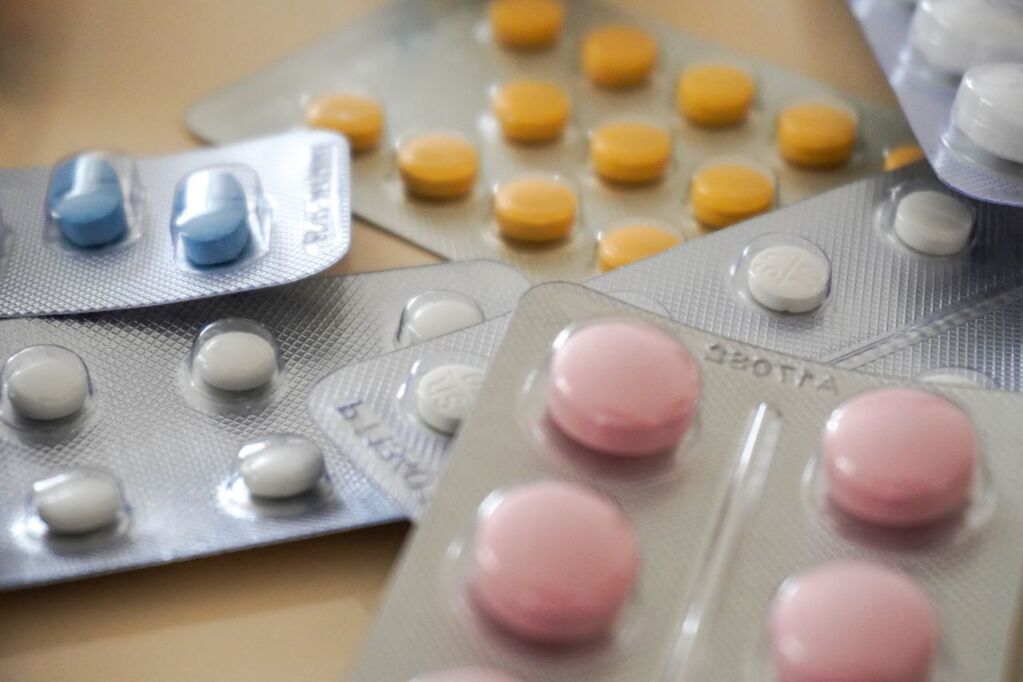
Vaccines aren’t one-size-fits-all. What you need depends on:
- Destination(s) (country, region, urban vs rural)
- Season (rainy season changes disease risk)
- Trip style (resort vs backpacking vs volunteering)
- Length of stay
- Your health history (immune status, pregnancy, meds)
Your provider can tell you what’s required (some countries check proof) versus what’s recommended for your situation. To sanity-check requirements, use official sources like your national travel health service (e.g., NHS Fit for Travel) and destination government guidance—then confirm with your clinician.
Also: make sure routine shots are up to date (the boring ones matter).
Chronic conditions: talk through the “what ifs”
If you have asthma, diabetes, hypertension, migraines, allergies—anything ongoing—bring it up. Travel changes routines, meals, activity levels, and time zones, which can mess with even well-controlled conditions.
Use the appointment to:
- Review whether your condition is stable enough for the trip
- Ask about altitude, heat, diving, long-haul flying, or strenuous activity risks
- Get a plan for flare-ups (what to do, when to seek help)
- Request a simple doctor’s letter if you travel with controlled meds, injections, or medical devices
Medications: don’t wing it
Make sure you have:
- Enough medication for the whole trip (plus extra for delays)
- A clear dosing plan if you’re crossing time zones
- Prescriptions that match the generic names (brands vary by country)
- Instructions on storage (some meds hate heat; some need cool packs)
If you’re using an online service like Simple Online Pharmacy, it can be a practical way to sort essentials ahead of time—especially if you’re topping up regular prescriptions or picking up travel basics—so you’re not scrambling the week you leave. As Tom Church, Co-Founder of LatestDeals.co.uk, the discount code platform, puts it: “Getting organised early—especially for everyday essentials—can save you money and avoid last-minute stress before a trip.”
Bottom line: the pre-travel check-up is the boring step that keeps the fun parts fun.
Travel Insurance: Don’t Leave Home Without It

Travel insurance isn’t glamorous, but it’s the difference between “annoying hiccup” and “financial faceplant.” If you get sick, wipe out on a scooter, miss a connection, or need to see a doctor abroad, costs can spike fast—especially in places where you’ll be treated as a private-pay patient. Insurance exists for the stuff you can’t predict and don’t want to pay for out of pocket.
Tom Church, Co-Founder of LatestDeals.co.uk—the discount code platform for simpleonlinepharmacy.co.uk—said: “Travel insurance is one of those things people try to cut costs on, but a small premium can save you from a huge bill when something unexpected happens.”
Here’s what it helps with (depending on the policy):
- Emergency medical treatment: doctor visits, hospital stays, tests, prescriptions.
- Medical evacuation/repatriation: getting you to a suitable hospital—or home—if local care isn’t enough.
- Trip cancellation/interruption: if you have to cancel or cut a trip short due to illness or injury.
- 24/7 assistance lines: someone to help you find care, arrange transport, and handle logistics.
How to choose the right coverage (without overthinking it)
1. Match the policy to the destination.
Healthcare costs vary wildly. The U.S., for example, is famously expensive. Remote islands? Evacuation can be the big one. Check whether your destination has high medical costs or limited healthcare access and prioritize coverage accordingly.
2. Be honest about what you’ll do there.
“Light hiking” is not the same as “multi-day trekking” to insurers. If you plan on skiing, scuba diving, motorbiking, climbing, or anything with a helmet involved, confirm the policy covers those activities. If it doesn’t, you may be uninsured when you need it most.
3. Focus on the medical numbers that matter.
Look for strong limits on:
- Emergency medical (this is the core)
- Emergency medical evacuation (often the pricier rescue scenario)
Cheaper plans often look fine until you read the limits.
4. Check pre-existing condition rules.
If you have asthma, diabetes, heart conditions, anxiety—anything ongoing—read the pre-existing condition section carefully. Some policies cover them if you buy within a certain time window after booking, others exclude them unless you add a waiver.
5. Understand the deductible and claims process.
A low premium with a high deductible can still sting. Also check:
- Do you pay first, then claim reimbursement?
- Do they offer direct billing with hospitals?
- What documents are required (receipts, doctor notes, police reports for theft, etc.)?
6. Don’t assume your credit card has you covered.
Card perks can help, but they’re often limited (short trip length, specific booking requirements, weak medical coverage). Treat it as a bonus, not a plan.
Bottom line: buy insurance for the worst day, not the best day. If your trip goes perfectly, you’ll “waste” the money. That’s the point.
Packing a First Aid Kit

A travel first aid kit is one of those things you’ll probably never need… until you really, really do.
The goal
You’re not packing a mobile hospital. You’re aiming to handle the small stuff quickly—so it doesn’t ruin your day or become something bigger:
- Blisters
- Headaches
- Minor cuts/scrapes
- Stomach drama
The Essentials (For Basically Every Trip)
Wound care + blisters
- Plasters/band-aids (assorted sizes)
- Blister plasters (non-negotiable if you’ll be walking)
- Antiseptic wipes or a small bottle of antiseptic solution
- Sterile gauze pads
- Medical tape (for anything bigger than a plaster can handle)
Common symptoms
- Pain relief (e.g., paracetamol/ibuprofen—whichever you can safely take)
- Antihistamines (allergies, bites, mystery rashes)
- Anti-diarrhoea tablets (e.g., loperamide—especially useful on travel days)
- Oral rehydration salts (tiny, lightweight, lifesaver if you’re losing fluids)
Tools + basics
- Tweezers (splinters, ticks, tiny annoyances)
- Small scissors or a compact multitool
- Pack in checked luggage if flying
- Hand sanitiser (yes, it counts as first aid in real life)
- Thermometer (optional, but handy if you’ll be far from pharmacies)
Add-Ons (Based on Where You’re Going and What You’re Doing)

Bugs + itching
- Insect repellent (especially in humid areas or where mosquito-borne illness is a risk)
- Bite/sting relief cream (hydrocortisone or antihistamine cream, if suitable)
Movement + motion
- Motion sickness tablets (boats, buses, mountain roads)
Sun + heat
- High-SPF sunscreen
- After-sun/aloe
- Lip balm with SPF
- Electrolyte tablets (hot climates, lots of hiking)
Water + environment
- Water purification tablets/filter (remote areas, questionable taps)
- Eye drops (dry flights, dust, air-con)
Practical extras
- Condoms (not always easy to find when you need them)
- Sports tape/elastic bandage (if you’re doing anything remotely active)
Quick Packing Rules (So It Stays Useful, Not Messy)
- Keep liquids small and leak-proof; pack them in a zip bag.
- Split key items between bags if you’re traveling with someone (backup matters).
- Check expiry dates before you go, not at 2 a.m. in a hostel bathroom.
- If you take regular meds, pack extra and keep them in your carry-on.
Ultra-Simple Version (If You Want to Keep It Minimal)
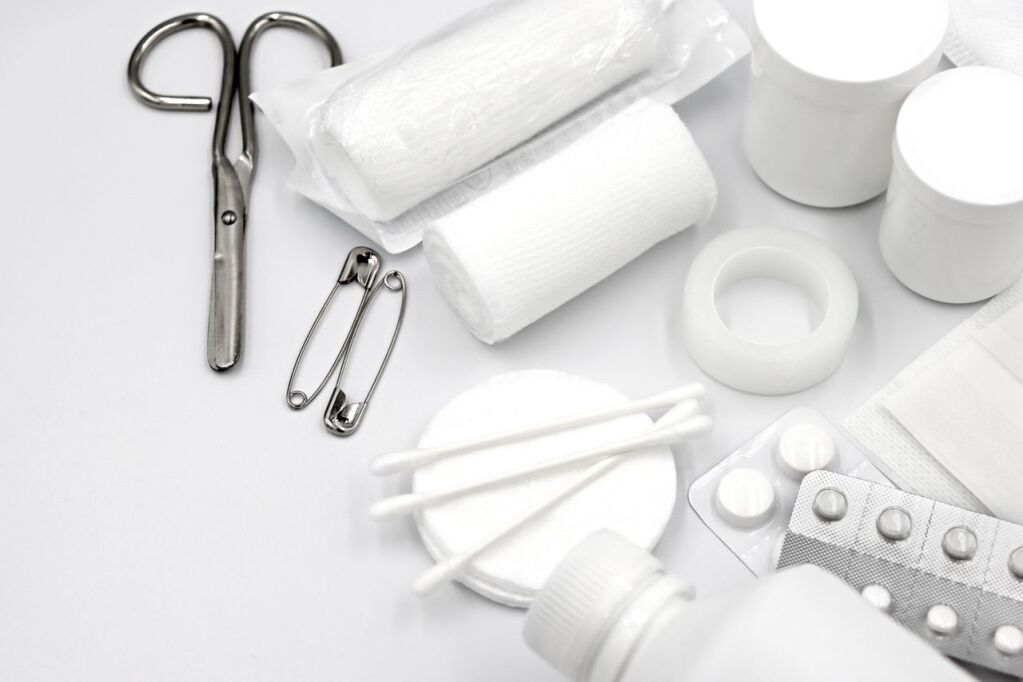
Cover the “big five” most travelers actually deal with:
- Cuts
- Pain
- Allergies
- Stomach issues
- Bites
Managing Existing Health Conditions
Travel is way more fun when your health isn’t the thing running the itinerary. If you’ve got a chronic condition—anything from asthma and diabetes to migraines, reflux, anxiety, or high blood pressure—do a little setup before you go.
Keep meds simple, safe, and on schedule
Tom Church, Co-Founder of SimpleOnlinePharmacy.co.uk, said: “Before you travel, make sure you’ve got enough of your regular medication for the full trip—plus a little extra for delays. Keep essentials in your hand luggage, and stick to your usual schedule as closely as you can.”
- Bring more than you need. Aim for extra doses (at least a few days) in case of delays, lost luggage, or “one more night” plans.
- Split your supply. Keep a main stash in your carry-on and a backup somewhere separate (still not checked baggage if you can avoid it).
- Use original packaging. It helps with airport security and makes dosing instructions easy to reference.
- Set reminders that survive time zones. Use phone alarms and label them (“BP med,” “insulin,” “inhaler”) so you don’t guess while half-asleep.
- Plan around flights and long days. If you can’t take meds with food or need strict timing, map it out before you leave—especially for insulin, anticoagulants, steroids, anti-seizure meds, and anything where missed doses are risky.
- Store correctly. Heat in cars, humidity in beach towns, and freezing temps in planes can mess with medications.
- If a medication needs to stay cool, use an insulated travel case and keep it with you.
- Don’t leave meds in a daypack baking in the sun “for later.”
Know your triggers, and pack for them
Travel changes your routine—sleep, food, alcohol, altitude, stress. If your condition has known triggers, pack the boring prevention tools:
- Asthma/allergies: rescue inhaler(s), spacer if you use one, antihistamines.
- Diabetes: glucose tabs/snacks, extra testing supplies, a plan for activity spikes.
- Migraines: your acute meds, hydration/electrolytes, sunglasses, earplugs.
- GI issues: oral rehydration salts, anti-diarrheal meds if appropriate, safe snacks.
Carry your health info like a pro
If something goes sideways, you want help fast—without a long explanation.
- Medical ID: bracelet/necklace, or at least a medical ID setting on your phone.
- Health card/notes: keep a small card (physical or digital) with:
- your diagnoses (plain language)
- current meds + doses
- allergies
- emergency contact
- your doctor’s name/clinic number
- If you use devices (CPAP, insulin pump, EpiPen): carry a short note explaining what it is and why you need it—useful in airports and clinics.
Bonus: make “care access” your backup plan
Before you leave, identify what you’ll do if you run out, lose meds, or need care:
- know the generic names of your medications (brand names vary)
- look up where the nearest pharmacy/urgent care is where you’re staying
- keep prescriptions or documentation accessible (photo + hard copy if possible)
The goal isn’t to overthink it. It’s to make your condition boring for the entire trip.
Staying Healthy on the Go
Travel has a way of messing with the basics: you walk more (or sit more), drink less water, sleep at odd hours, and eat whatever’s nearest. The fix isn’t complicated—just stay on top of a few fundamentals.
Hydrate like it’s part of the itinerary
- Carry a refillable bottle and top up whenever you can (airports, hotel lobbies, cafés).
- Aim for steady sipping, not “chugging at night because you forgot all day.”
- If it’s hot, humid, high-altitude, or you’re doing long hikes: add electrolytes (especially if you’re sweating a lot).
- Go easy on alcohol and excess caffeine—both dehydrate and both mess with sleep.
Protect your sleep (even when your schedule won’t)
- Keep it simple: sleep is recovery. It helps your immune system, your mood, and your gut.
- If you’re short on time, prioritize a consistent wind-down routine (same-ish time, dim lights, less scrolling).
- Pack small sleep helpers: earplugs, eye mask, maybe a light layer for cold rooms or planes.
- Try not to “save” sleep for later—sleep debt travels with you.
Eat like your body has plans tomorrow
You don’t have to be perfect. Just avoid making every meal a stress test.
- Balance most meals: something with protein + fiber (eggs, yogurt, beans, lean meats, tofu, vegetables, fruit).
- Keep snacks on you so you’re not forced into random choices when you’re starving (nuts, protein bars, crackers, dried fruit).
- If you’re trying new foods (which you should): start small, especially if you’ve got a sensitive stomach or a big travel day ahead.
- For destinations where food/water stomach issues are common: stick to hot, freshly cooked foods and sealed bottled water when needed.
Hygiene: boring, effective, non-negotiable
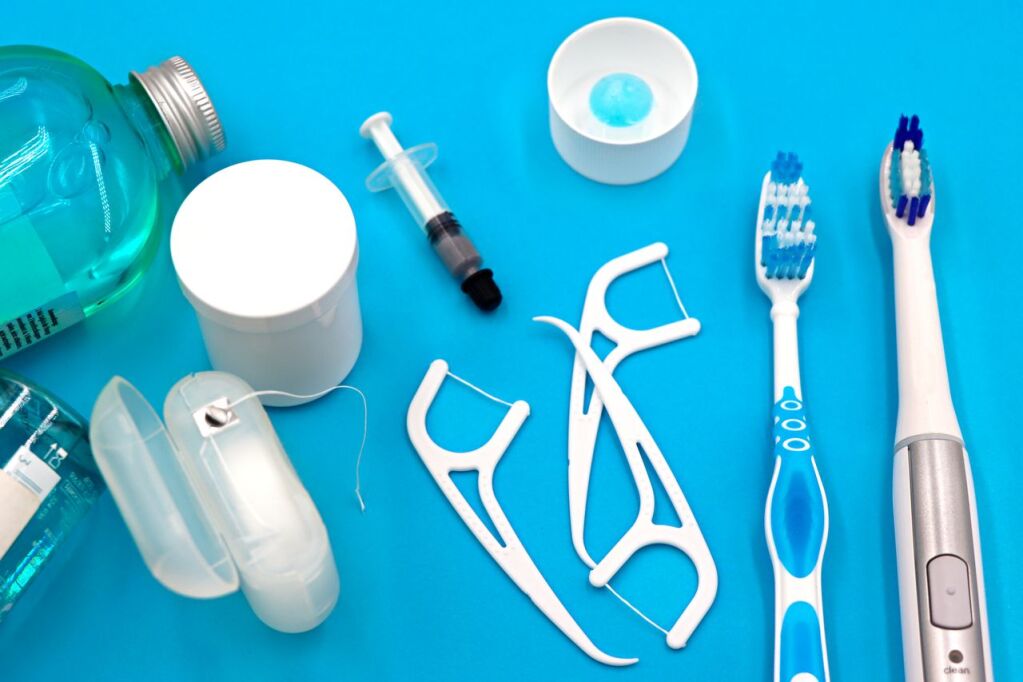
A lot of travel illness is just germs plus close quarters.
- Wash hands with soap and water whenever you can—especially before eating.
- When you can’t: use hand sanitizer (at least 60% alcohol).
- Try not to touch your face during transit days (hard, but worth it).
- Wipe down the basics on planes/trains: tray table, armrests, phone screen. Quick clean, big payoff.
Keep your body moving (even on lazy days)
- On long transport days: stand up, stretch, and walk when possible—your circulation will thank you.
- If you’re doing a lot of sitting (flights, buses): do ankle circles, calf pumps, and brief aisle walks to reduce stiffness.
Bottom line: you don’t need a “wellness routine.” You just need hydration, sleep, decent food, and clean hands—done consistently enough to keep you functional and enjoying the trip.
Preparing for Time Zone Changes
Jet lag is basically your body clock throwing a mini tantrum. You can’t always avoid it, but you can blunt the impact with a few simple moves.
Before you leave (2–4 days out):
- Start shifting your schedule.
Flying east? Go to bed and wake up 30–60 minutes earlier each day.
Flying west? Push bedtime and wake-up time later by the same amount. - Match your destination timing where you can. Try eating meals closer to your future schedule—your body clock listens to food cues too.
- Bank sleep. If you’re already sleep-deprived, jet lag hits harder. Aim for a couple of solid nights before departure.
During the flight:
- Set your watch to destination time once you board. Mentally switching early helps you make better in-flight choices.
- Hydrate like it’s your job. Cabin air is dry, and dehydration makes fatigue worse. Keep water steady; go easy on alcohol (it wrecks sleep) and don’t overdo caffeine.
- Move every hour or two. Walk the aisle, stretch calves/hips, roll ankles. It helps circulation and keeps you from arriving feeling like a folded lawn chair.
- Sleep strategically. If it’s “night” at your destination, sleep even if it feels weird. Earplugs, eye mask, and a hoodie can do a lot.
When you land (first 24 hours):
- Get outside into natural light. Light is the strongest reset signal for your body clock.
- After eastbound travel, morning light helps you shift earlier.
- After westbound travel, late afternoon/evening light helps you shift later.
- Don’t nap long. If you’re crashing, take a 10–30 minute nap. Anything longer can turn into a groggy time-warp and steal your night sleep.
- Eat and sleep on local time. Even if you’re not hungry or tired, follow local cues. Consistency beats comfort for the first day.
- Go easy on the first night. Aim for bedtime at a reasonable local hour. If you wake at 3 a.m., keep lights low and avoid doom-scrolling—your brain will treat that as “morning.”
Quick rule of thumb: plan on about one day per time zone to fully adjust. You can still function before that—you just want to give your body fewer reasons to struggle.
Emergency Contacts and Local Healthcare Facilities
Don’t wait until someone’s sick (or you’re limping around a foreign city at 2 a.m.) to figure out where to go. As Tom Church, Co-Founder of LatestDeals.co.uk, the discount code platform, puts it: “A few minutes of prep before you travel can save you hours of stress later—especially when you’re trying to find a pharmacy or urgent care fast.”
Before you leave, map out your basics:
- Nearest hospitals and urgent care to where you’re staying (save at least two options).
- 24/7 pharmacies nearby—some countries have limited hours or require prescriptions for things you’d normally buy over the counter.
- Clinics that cater to travelers/expats if you’re going somewhere with a language barrier; they’re often faster and easier to navigate.
- If you have a specific need (asthma, diabetes, pregnancy, etc.), look up specialists or facilities that can handle it.
Save it in two places: your phone and offline (screenshot, note app available without data, or a printed card). Wi‑Fi has a way of disappearing right when you need it.
Build a simple emergency contact list
Keep a short list that covers “who to call” and “what to say”:
- Local emergency number (not always 911/999—check your destination).
- Your travel insurance emergency assistance line (this is usually the fastest route to approved care).
- Your country’s embassy/consulate contact details (helpful for lost passports, legal trouble, serious medical situations).
- A home contact (someone who can make decisions or relay information if you’re unavailable).
- Your accommodation number/address (so you can direct help even when you’re stressed).
Pro move: put key details on your lock screen or in your medical ID (phone feature), including allergies, conditions, and an emergency contact. Low effort, high payoff.
Final Pre-Departure Checklist
Do this the day before you leave (or the morning of). It’s the boring stuff that saves trips.
- Prescriptions: filled, packed, and doubled-checked
- Make sure you have enough for the whole trip + a few extra days in case of delays.
- Keep meds in original packaging and pack them in your carry-on, not checked luggage.
- If you use anything temperature-sensitive, sort out a cool bag/insulated pouch.
- Health records: accessible in 30 seconds
- Screenshot or save offline: your insurance details, policy number, allergies, conditions, current meds, and emergency contacts.
- If relevant: bring/keep digital proof of vaccinations.
- Travel insurance: actually active and appropriate
- Confirm your dates are right and you’re covered for what you’re doing (hiking, diving, scooter rental, etc.).
- Store the provider phone number and claims instructions where you can find them fast.
- First aid + “small problems” kit: complete
- Basics: plasters/band-aids, antiseptic wipes, pain relief, antihistamines, rehydration salts.
- Add-ons based on your trip: insect repellent, bite cream, motion sickness tablets, blister care, sunscreen.
- Plan for your body’s needs
- If you have a chronic condition: set reminders for meds across time zones, and pack essentials where they won’t get lost.
- Carry any medical ID (bracelet/card) if it’s relevant.
- Know where to get help
- Save your destination’s local emergency number.
- Pin (in Maps) a nearby hospital/clinic and a pharmacy near where you’re staying.
- Note your embassy/consulate contact if traveling abroad.
- Final bag sweep: health edition
- Hand sanitizer, wipes, tissues, lip balm, condoms (if relevant), spare mask (if you use them), reusable water bottle.
- Anything you’ll want mid-flight: meds, inhaler, migraine tablets, eye drops—keep it within reach.
Quick rule: if losing it would ruin your trip, it goes in your carry-on.
Related Posts