When discussing exceptionally large Kashmir blue sapphires, experienced professionals in the gemstone circuit generally distinguish between gemstones that have been documented, examined and seen in recent times, and those that are known only through historical accounts. This explains why the reported Peacock Blue pendant attracts relatively modest attention from seasoned gemstone professionals. Its historical association is interesting, but the absence of recent sightings makes independent verification difficult.
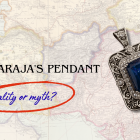
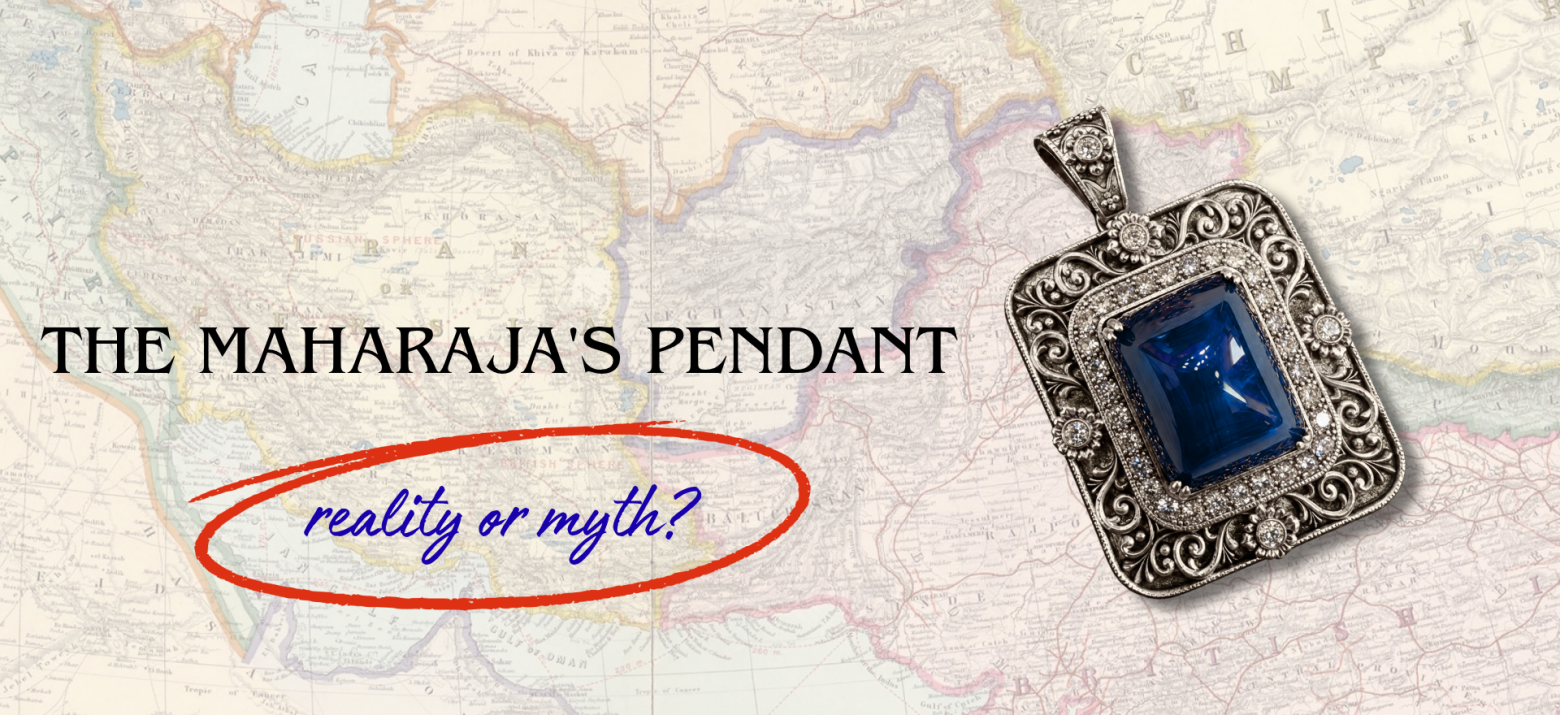
Online accounts consistently associate the Peacock Blue pendant with the royal treasury of the Dogra Dynasty in Kashmir. The historical narrative identifies Maharaja Ranbir Singh, the second Maharaja of Kashmir, who ruled from 1856 to 1885, as the royal who reportedly presented the pendant to a foreign diplomat. The presentation is said to have taken place when the diplomat’s official tenure in the region came to an end. Although this account has circulated through various online publications, publicly available documentation establishing the pendant’s subsequent whereabouts remains elusive.
The principal attraction is reportedly a magnificent Kashmir blue sapphire weighing approximately 60 carats, fashioned as a sugarloaf cabochon. If its reported dimensions and Kashmir origin are accurate, the big Kashmir sapphire would represent an extraordinary gemstone. However, neither the complete pendant nor its impressive centre stone has been seen in recent times. Consequently, claims about its position among the largest Kashmir sapphires of this particular cutting style must remain provisional.
The currently recognised reference point is the Vanderbilt Sapphire, weighing 42.68 carats. This exceptional sugarloaf-cut Kashmir blue sapphire has an established history and has been presented at an international auction. Its documented existence, substantial weight and distinctive appearance provide a considerably stronger basis for professional recognition. Phillips featured the gemstone in its Geneva Jewels Auction in November 2025, where it achieved a remarkable result.
The comparison between this gem and the Kashmir sapphire in the Peacock Blue, highlights an important distinction in the evaluation of rare historical jewellery. A reported gemstone’s size, even when impressive, cannot automatically establish a record. The big Kashmir sapphire associated with the royal pendant would need to reappear, undergo independent gemological examination and have its weight, origin and cutting style authenticated before its claimed position could be accepted. A high publicity auction organized by big names like Sotheby’s or Christie’s, would ensure that authenticity on all aspects have been tested and verified.
Until that happens, the Vanderbilt Sapphire rightly retains its position as the established 42.68-carat sugarloaf cabochon Kashmir sapphire. The Peacock Blue pendant may eventually change that distinction, but historical accounts and repeated rumours cannot replace physical evidence. For now, the big Kashmir sapphire remains an intriguing part of Kashmir’s royal jewellery narrative, rather than a verified record holder.
Related Posts